
- All
- Product Name
- Product Keyword
- Product Model
- Product Summary
- Product Description
- Multi Field Search
Views: 0 Author: Site Editor Publish Time: 2025-09-09 Origin: Site


A slatwall panel is a flexible way to organize things on your wall. Slatwall panels come in many materials. Each material has its own special features. Materials mean what the panel is made from. Finishes are how the surface looks and how it is protected. If you know the differences, you can pick a panel that lasts longer. It will also work better for what you need. A good finish can stop scratches and water damage. This helps your display look new for longer. Look at the table below. It shows how the right material can help your storage or display:
Material Type | Benefits | Use Cases |
|---|---|---|
PVC | Waterproof, resists warping | Good for wet places, drink displays |
Real Wood | Looks nice, feels fancy | Fancy stores, clothes, jewelry |
MDF | Cheap, can be used many ways | Most stores, low-cost needs |
You do not have to feel confused when buying a slatwall panel. With the right facts, picking the best slatwall panel is easy.
Slatwall panels are made from PVC, MDF, or wood. Each type has its own good points. Pick the one that fits what you need.
A strong finish helps slatwall panels avoid scratches and water. This makes your display stay nice for a long time.
Think about your space before you pick slatwall panels. Garages and stores need different materials for their panels.
How you install panels matters for how long they last. Use the right fasteners and space them well. This helps panels hold weight and not bend.
Taking care of slatwall panels keeps them looking good. Clean them often and look for damage. This helps them last longer.

You may ask how a slatwall panel is not like other wall systems. A slatwall panel is a board you put on your wall. It has straight, even grooves that go across. These grooves hold things like shelves, hooks, and baskets. You can move these items around when you want. This makes it easy to change how you organize your stuff.
Some things make slatwall panels special:
The design looks smooth and fits in modern rooms.
You can put up the panels yourself with simple tools.
You can add or move shelves and hooks as needed.
Some panels use materials that are better for the planet.
They can help make rooms quieter.
Slatwall panels come in many materials. Each one has its own good points for strength and style. You can pick a look that matches your room. This works for bright garages or fancy stores.
Tip: You can use different accessories to make your slatwall panel work for you. Change your setup as you need more space.
Slatwall panels are useful in lots of places. You can use them at work or at home. The table below shows how slatwall panels help in different places:
Application Type | Commercial Use | Residential Use |
|---|---|---|
Product Visibility | Show products at eye level so people see them. | Organize tools, papers, or decorations. |
Space Maximization | Use wall space to make stores look nice. | Keep your home or office tidy. |
Easy Reconfiguration | Change displays fast to fit store needs. | Set up panels easily for home projects. |
Design Versatility | Pick from many materials and finishes. | Match your style with different looks. |
Maintenance | Easy to clean and take care of. | Simple to keep your space looking good. |
You can use slatwall panels in stores, garages, offices, and homes. The system can change to fit what you need. You can organize things like products, tools, or decorations. Slatwall panels help your space look clean and nice.
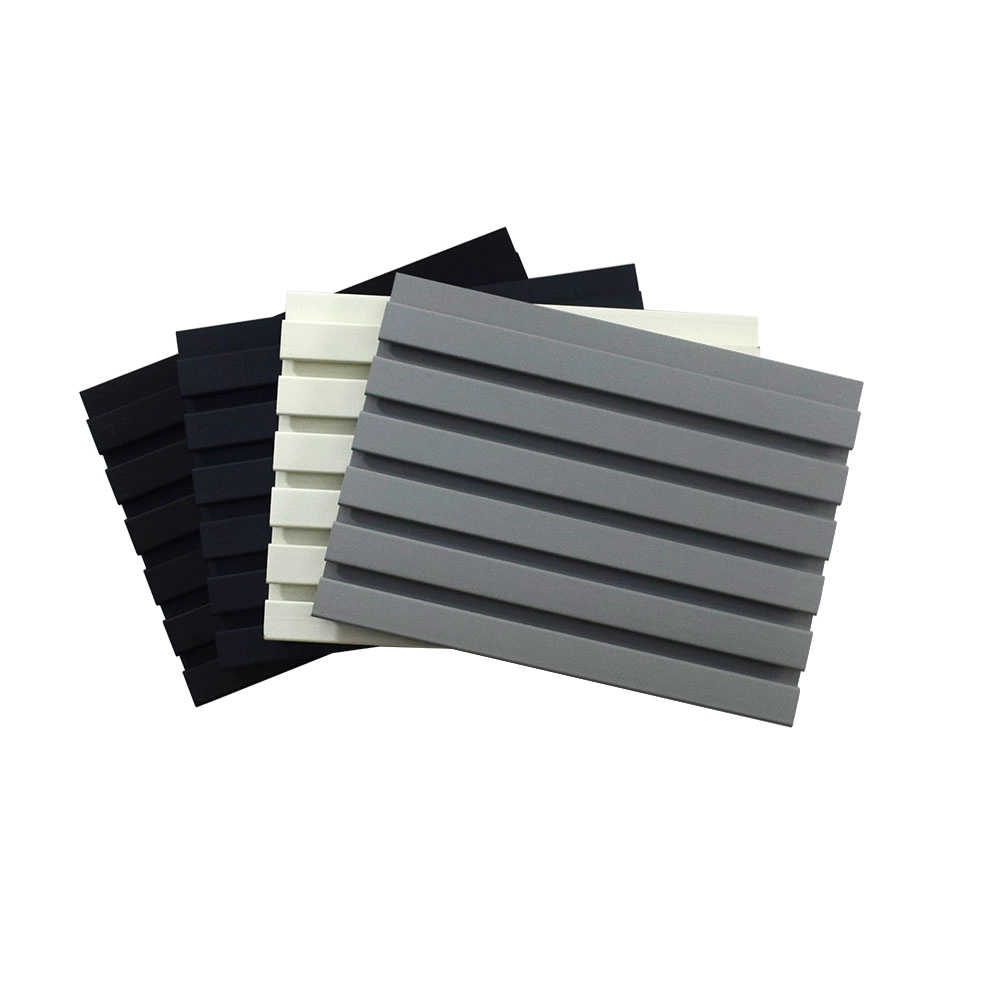
When you pick slatwall panels, you should know about the material. Each type gives special benefits. You can find slatwall panels made from MDF, PVC, metal, wood, and composite. Let’s look at each choice so you can pick what works best.
What is MDF?
MDF means Medium Density Fiberboard. You see MDF slatwall panels in stores and garages. They are made from wood fibers and resin pressed together.
Features and Durability:
MDF slatwall panels hold a lot of weight if you secure items well.
A 0.75-inch slat holds about 25 to 50 pounds.
A 1.5-inch slat holds up to 100 pounds.
Grooves that are close together give more support.
How you install the panel and the accessories you use, like hooks and brackets, change how much weight it holds.
Typical Uses:
You use MDF slatwall panels for retail displays, home offices, and garages. They help organize tools, craft supplies, and merchandise.
Environmental Impact:
Making MDF uses lots of wood, which can hurt forests if not done right.
The glue in MDF may have formaldehyde, which can pollute the air.
The process makes waste that might go to landfills.
Tip: If you want a cheap way to display or store things, MDF slatwall panels are a good pick. Install them the right way for best strength.
What is PVC?
PVC stands for Polyvinyl Chloride. PVC slatwall panels are liked for being strong and not getting damaged by water. Unipower makes high-quality PVC slatwall panels with advanced designs.
Features and Durability:
Feature | PVC Slatwall | MDF Slatwall |
|---|---|---|
Moisture Resistance | 100% resistant to moisture and water | Not moisture resistant |
Mold and Mildew Growth | Will never grow mold or mildew | Prone to mold growth |
PVC slatwall panels do not warp or crack.
You can clean them with soap and water.
The smooth surface keeps dirt away.
No need to paint, seal, or treat them.
PVC slatwall panels work well in garages, laundry rooms, and places with lots of moisture.
It is easy to take care of PVC slatwall. Its smooth surface is simple to clean. Just wipe it with a damp cloth to remove dust. PVC slatwall does not need painting or sealing to stay nice.
Unipower’s Expertise:
Unipower makes strong, interlocking PVC slatwall panels. You get good performance and easy setup. These panels work with many accessories, so they are great for storage and display. Unipower uses high-quality materials and advanced technology for long-lasting panels.
Typical Uses:
You can use PVC slatwall panels in garages, stores, workshops, and wet places. They are good for organizing tools, sports gear, and cleaning supplies.
If you want a slatwall panel that does not get damaged by water and lasts a long time, PVC is the best choice.
What is Metal Slatwall?
Metal slatwall panels use aluminum or steel. They are strong and do not rust easily.
Features and Durability:
Metal slatwall panels can hold up to 25 pounds at one spot, 6 inches from the face.
Stronger models can hold up to 75 pounds.
Aluminum facia does not rust, rot, or corrode.
Typical Uses:
Retail spaces for neat displays.
RVs and trailers for storing things vertically.
Tradeshow displays for showing products.
Home garages and offices for heavy storage.
Metal slatwall panels are best when you need strength and toughness in hard places.
What is Wood Slatwall?
Wood slatwall panels use solid wood or engineered wood. You see wood finishes in fancy stores and homes.
Features and Durability:
Wood slat panels look and feel natural.
You can pick from many wood finishes to match your style.
Wood is carbon-neutral and stores carbon dioxide.
Sustainability:
Using reclaimed and sustainable wood slat panels helps save forests.
Certified wood comes from forests managed the right way.
Using reclaimed wood means less need for new trees and helps the planet.
Typical Uses:
Fancy stores, jewelry displays, and clothing shops.
Wood wall panels make living rooms and offices feel warm.
Acoustic slatwall made from wood can help make rooms quieter.
If you want a classic look and care about the planet, wood slatwall panels are a good choice.
What is Composite Slatwall?
Composite slatwall panels mix recycled wood and polymers. They give you the good parts of wood and plastic.
Features and Durability:
Composite panels do not get damaged by water, rot, or bugs.
You do not need to do much to keep them nice.
You can clean them easily.
Composite slatwall panels come in many styles, like wood veneer and melamine laminate.
Typical Uses:
You can use composite slatwall panels in homes, offices, and stores.
Acoustic slatwall made from composite materials helps control sound.
These panels fit many styles and last a long time.
Composite slatwall panels are best if you want something strong, easy to care for, and flexible in design.
Q: What is the best slatwall panel for a wet garage?
A: PVC slatwall panels are best. They do not get damaged by water or mold.
Q: Which slatwall panels work best for heavy tools?
A: Metal slatwall panels and strong MDF slatwall panels hold a lot of weight.
Q: What if you want eco-friendly acoustic slatwall?
A: Pick wood slat panels or composite panels made from recycled stuff.
Q: Can you cut slatwall panels to fit your space?
A: Yes, you can cut slatwall panels with simple tools. Always be safe when cutting slatwall panels.
Q: Which slatwall panels offer the most style options?
A: Wood slat panels and composite panels have many finishes and textures.
When you pick the right material, your slatwall panels last longer and look better. Think about your space, what you need, and your style before you choose.
You want slatwall panels that last a long time. Slatwall is strong and does not break easily. PVC slatwall panels can last up to 100 years. WPC panels last about 20 to 30 years. Wood panels last around 10 to 15 years. Slatwall does not soak up water like pegboard. It will not swell or bend in wet places. This makes slatwall good for garages and basements. It works well in places where the air changes. You get a modern look and a tough panel for daily use.
Tip: Slatwall panels hold heavier things than pegboard. You can use them for tools, sports gear, or store displays.
You may wonder if slatwall panels cost too much. The price depends on what material you choose. PVC and composite panels cost more at first. They last longer and need less fixing. MDF and wood panels cost less but may need replacing sooner. Slatwall looks nicer and holds more weight than pegboard or gridwall. This can save you money over time.
Feature | Pegboard | Slatwall | Gridwall |
|---|---|---|---|
Weight Capacity | Varies | Higher | Moderate-Heavy |
Aesthetics | Basic | Modern | Industrial |
Customization | Good | Excellent | Good |
Slatwall panels have different weights based on the material. Heavy panels need strong support. Put brackets every 12 inches. Use four supports for a four-foot shelf. Spread the weight across many brackets. Do not put heavy things near the panel edges. This keeps your slatwall safe and strong.
Plan your setup before you start.
Spread weight evenly.
Keep heavy things away from the sides.
Remember: If you install slatwall the right way, it lasts longer and holds more.
You might care about helping the planet. Slatwall panels made from recycled materials help lower pollution. They save resources and keep waste out of landfills. PVC and composite panels can be recycled. Wood panels from certified forests help protect trees.
Environmental Impact | Description |
|---|---|
GHG Emissions | Lowered by recycling and reusing materials |
Resource Conservation | Less need for new raw materials |
Landfill Waste | Reduced by reusing and recycling slatwall panels |
Picking eco-friendly slatwall panels helps you organize and protect the earth.
When you pick slatwall panels, you see many finishes. Each finish changes how your slatwall looks and works. Some finishes make it last longer. Others make it easier to clean. You can find a finish that matches your style and space. Let’s look at the most common finishes and how they help you.
Tip: The right finish makes your slatwall panel look nice and last longer. You will spend less time cleaning and more time enjoying your room.
Laminate finishes cover slatwall panels with a strong, fake layer. This layer is smooth and stops scratches and stains. Laminate can look like wood, stone, or solid colors. You see laminate in many stores and garages.
Laminate is simple to clean. Just wipe it with a damp cloth.
It does not fade or chip easily.
Laminate costs less than real wood.
It is good for busy places.
Unipower has slatwall panels with nice laminate finishes. You can pick ones that look like oak, maple, or gray. These finishes help your slatwall match your room.
Laminate vs. Veneer: Key Differences
Laminate uses fake material. Veneer uses real wood.
Laminate stops scratches and water. Veneer needs more care.
Laminate is cheaper and easier to keep nice.
Veneer finishes use a thin piece of real wood on top. You get the look of real wood grain. Veneer feels warm and fancy.
Veneer shows special patterns from real wood.
Clean veneer gently with a soft cloth.
Veneer can scratch or stain if you are not careful.
It costs more than laminate but looks rich.
Unipower has veneer finishes like walnut and oak. You see these in nice stores and offices. Veneer finishes help you make a cozy, stylish space.
How Veneer and Laminate Compare
Veneer gives real wood grain. Laminate copies wood.
Veneer needs more care. Laminate is easier to clean.
Veneer costs more. Laminate is better for small budgets.
Painted finishes cover slatwall panels with color. You can pick any color you like. Painted slatwall panels look bright and new.
Painted finishes let you choose bold or soft colors.
Clean painted panels with a damp cloth.
Paint can chip if you bump it a lot.
Painted finishes work well in homes, schools, and fun spaces.
Unipower has painted slatwall panels in white, black, and custom colors. You use these panels to make your space stand out.
Textured finishes add patterns or raised shapes to slatwall panels. You can feel the texture when you touch the panel. Textured finishes make your wall look cool.
Textured finishes hide fingerprints and small marks.
Clean textured panels with a soft, dry cloth.
Use mild soap for tough spots. Do not use too much water.
Textured finishes are good for busy places.
Unipower’s textured slatwall panels come in stone, brick, and wave patterns. You use these panels to add style and depth to your room.
How to Care for Textured and Woodgrain Finishes
Check panels once a year for damage or water.
Remove dust with a microfiber cloth.
Use a damp cloth and mild soap to clean.
Dry panels after you clean them.
Use wood polish on woodgrain finishes for shine.
Woodgrain finishes make slatwall panels look like real wood. You see lines and patterns that copy oak, maple, or walnut. Woodgrain finishes give your space a classic look.
Woodgrain finishes look warm and natural.
Clean them with a soft cloth.
Use wood conditioner to keep them shiny.
Woodgrain finishes fit homes, offices, and stores.
Unipower’s woodgrain slatwall panels include light oak, rich walnut, and blackened oak. You can pick the finish that matches your style.
Specialty finishes give slatwall panels a special look. You can find finishes like white oak, walnut, and blackened oak. Each finish gives a different feel.
White oak makes small rooms look bigger and brighter.
Walnut adds warmth and a fancy look.
Blackened oak gives a bold, modern style.
Unipower has specialty finishes for slatwall panels. You use these panels to make a statement wall or a cozy corner.
Popular Finishes in the Market
Material/Finish | Key Features |
|---|---|
PVC | Strong, resists water, looks modern |
MDF | Classic, now made to be more eco-friendly |
Aluminum | Very strong, modern look |
Wood | Looks nice, classic choice |
You can pick from many finishes for slatwall panels. Each finish changes how your wall looks and works. Pick the finish that fits your needs and style. Unipower has many finishes for every space.
You need slatwall panels that fit your space and needs. Different places need different things. Home walls need panels that look nice and help you organize stuff. Garages need panels that do not get damaged by water and can hold heavy tools. Retail stores need panels that help make cool displays and bring in shoppers. Trade shows or offices need panels that are easy to move and set up fast.
Here is a simple guide to help you pick the right slatwall panel for your space:
Material Type | Key Considerations | Cost Range | Best For |
|---|---|---|---|
PVC | Strong, simple to clean | $6 - $7 per sq ft | Garage, wet areas, retail |
MDF | Cheap, keep away from water | $20 - $40 per panel | Home, retail |
Metal | Holds a lot of weight, avoid water | $100 - $150 per panel | Retail, displays |
Tip: PVC slatwall panels are great for garages and stores. They are strong and do not get ruined by water.
Your budget helps you decide what to buy. PVC slatwall panels cost less in the long run. They last a long time and do not need much care. MDF panels are cheaper at first and work well for homes or stores. Metal panels cost more but can hold heavy things and last in busy places. Always pick what fits your budget and what you need for strength and style.
You can choose slatwall panels that match your style. PVC panels come in lots of colors and finishes. You can make your home or store look modern. MDF panels have classic finishes and feel warm. Metal panels look shiny and modern, good for stores or special displays. Pick a finish that matches your home or brand.
You want your slatwall to work with hooks, baskets, and shelves. It is important for stores and special displays. The right accessories help you keep things neat and make shopping better. Stores use panels that fit many accessories to sell more and change displays easily.
Make sure your slatwall fits regular hooks and baskets.
Use panels that can hold shelves for heavy stuff.
Pick panels with grooves that fit your display ideas.
Note: Unipower slatwall panels fit many accessories. They are good for stores, homes, and garages.
You want your slatwall to be strong and look nice. First, check if your wall can hold the slatwall and what you want to hang. Use a laser level or chalk line to mark where each panel goes. Double-check your marks before you start putting up panels. Pick fasteners that work for your wall type. This stops the slatwall from sagging and keeps it safe. Put fasteners every 12 to 16 inches along the studs. This gives the most support and stops bending. Follow Unipower’s guide for easy and safe installation.
Installation Challenge | Solution |
|---|---|
Wall preparation | Make sure the wall can hold panels and what you hang. |
Measuring for panels | Use laser levels or chalk lines to line up panels. |
Selecting fasteners | Pick fasteners that fit your wall for strength. |
Installation techniques | Put fasteners every 12–16 inches to keep panels from sagging. |
Tip: Always check what you need for installation before you start. This helps you avoid problems later.
You want your slatwall to last a long time. Clean it every few months. If the area is busy, clean it every month so dirt does not build up. Use a soft cloth, mild soap, and warm water. Do not use strong chemicals because they can hurt the panels. Take everything off and vacuum the slatwall to get rid of dust before deep cleaning. After cleaning, look for scratches or loose panels. Fix problems right away. Clean slatwall accessories with gentle supplies too. Make a cleaning plan based on how much you use the space. This keeps your slatwall looking new.
Clean slatwall often so dirt does not build up.
Use soft cloths and mild soap to clean.
Vacuum the slatwall before deep cleaning.
Check for damage after cleaning and fix it fast.
Clean accessories to keep them working well.
Make a cleaning plan for regular care.
You can stop problems by knowing what mistakes people make. Some do not get the wall ready and their panels sag. Others forget to measure, so panels look crooked. Using the wrong fasteners can make the slatwall fall or bend. Not spacing fasteners right makes the setup weak. Rushing through the steps can give you bad results.
Installation tips: Go slow and follow each step. Careful planning and paying attention help you avoid mistakes when installing slatwall.
You now know that materials and finishes affect how slatwall panels look and how strong they are. Before you pick a panel, think about your room and what you want to put on it. Also, think about your style and what you need to store.
Want to make your room neat? Check out Unipower’s products or talk to an expert. With what you learned, you can choose and take care of your panels easily and feel sure about your choice.
Slat wall panels give you lots of ways to store things. You can change how your store looks fast. Products are easy to see at eye level. Your store stays tidy and neat. Shoppers find what they want quickly.
Use a soft cloth with mild soap to clean. Wipe the panels gently so they stay nice. Clean them often to keep displays fresh. Do not use strong chemicals. Regular cleaning makes your store look good for customers.
You can put up panels using simple tools. Follow the instructions to stay safe. Use a level to make sure panels are straight. Attach panels to studs for strength. Good installation keeps your displays safe for products.
Hooks, baskets, and shelves work well with slat wall panels. These help you organize products in your store. Pick accessories that fit what you sell. Change displays easily for sales or seasons.
Slat wall panels help you show off products. You can make displays that catch people’s eyes. Customers see items clearly and want to buy more. Organized displays help you sell new or popular products.
